Ideas
Operational Trust
Trust is not a sentiment inside a business. It is a working assumption that a system, process, person or vendor will behave as expected, and it is usually untested.
Organizations run on trust long before they run on controls
A payment is released because a record is trusted. A shipment moves because an inventory figure is trusted. A decision is made because a report is trusted. Most of that trust is reasonable and none of it is free.
Operational Trust is the practice of making those assumptions explicit, so the business knows where it is relying on something it has not verified and whether that reliance is still appropriate.
The idea
The business cannot operate without trust
The objective is not to eliminate trust. An organization that verified everything before acting would eventually stop operating.
Every business therefore makes choices about what it will trust, how much evidence it requires and how long that trust remains valid. The problem begins when those choices are no longer visible.
An assumption made deliberately can be governed. An assumption nobody realizes the organization is making cannot.
Much of what the business trusts is outside its control
Modern operations depend on parties the organization does not manage. Cloud platforms, payment processors, logistics partners, data providers, software vendors and the vendors those vendors use are all inside the operating model whether or not they appear in it.
Each relationship carries an implicit statement: we expect this party to behave in a particular way, and we will continue operating on that expectation until something proves otherwise.
Supply chains and technology ecosystems make those relationships increasingly difficult to see. The organization may know who its vendors are without understanding everything it now trusts them to do.
Every organization extends trust it has never examined. The question is how much of the business depends on it.
Verification
Trust becomes dangerous when evidence expires but the assumption remains
Verification does not permanently establish trust. It provides evidence at a particular moment.
An assessment can show that a vendor met expectations when it was performed. A control test can show that a control worked when it was tested. A certification can demonstrate that defined requirements were satisfied during a particular period.
The business often continues trusting those conditions long after the evidence that established them has aged. Operational Trust asks whether the evidence supporting an important assumption is still meaningful given how the organization, technology or dependency has changed.
Recognizing the pattern
Trust usually fails before anyone realizes the assumption changed
Data remains trusted after its source changes
Decisions continue to rely on information even though the way that information is produced has changed.
Automation continues after human verification disappears
A process originally supported by people becomes increasingly automated while the assumptions behind the original controls remain unchanged.
Vendor assurance becomes permanent
Evidence collected during onboarding or an earlier assessment continues to support trust long after the vendor, service or relationship has changed.
Identity and access outlive their context
Access remains technically valid even though the role, relationship or business need that justified it has changed.
AI output becomes operational input
Recommendations and outputs begin influencing decisions before the organization has decided how much confidence should be placed in them.
AI
AI changes what the organization is being asked to trust
AI introduces a different kind of operational dependency because its output may not be deterministic, fully explainable or produced entirely inside the organization.
As AI becomes embedded in applications and vendor services, businesses may begin trusting recommendations, classifications and decisions without deliberately deciding how much authority those outputs should have.
Operational Trust does not require every AI output to be independently verified. It asks a more practical question: what are we allowing this system to influence, and how much evidence is appropriate for the consequence of being wrong?
Decision Debt
Trust can become inherited
Operational Trust and Decision Debt often reinforce one another. A decision creates a dependency. The dependency creates an assumption. Over time the original decision disappears from view while the organization continues trusting the condition it created.
That is how temporary vendor relationships become critical dependencies, exceptions become normal operating practices and systems inherit authority nobody deliberately assigned to them.
Revisiting consequential decisions also means revisiting the trust those decisions created.
The goal is not suspicion. It is knowing what deserves verification.
An organization that verifies everything cannot operate. The goal is proportion.
The business should understand what it depends upon most, what evidence supports that trust, how long the evidence should remain meaningful and what would happen if the assumption proved wrong.
The greater the consequence of failure, the more deliberate the decision to trust should become.
Start here
What are we trusting?
What does the business rely upon every day without actively verifying it?
Which vendors have become operational dependencies rather than simply suppliers?
What evidence originally justified that trust, and how old is it?
Where has automation replaced verification that used to be performed by a person?
Which systems or data sources have changed without the assumptions around them changing?
Where is AI influencing decisions without an explicit decision about how much its output should be trusted?
What would stop working if one of our most important assumptions proved wrong tomorrow?
Business Survivability
Survivability depends on knowing which assumptions the business cannot afford to get wrong
Every operating model contains assumptions about systems, people, information, vendors and processes. Most of those assumptions will behave exactly as expected most of the time.
Business Survivability becomes relevant when one of the important ones does not.
Operational Trust helps leadership understand where the organization is relying on those assumptions before a disruption turns them into constraints.
Related work
Related books
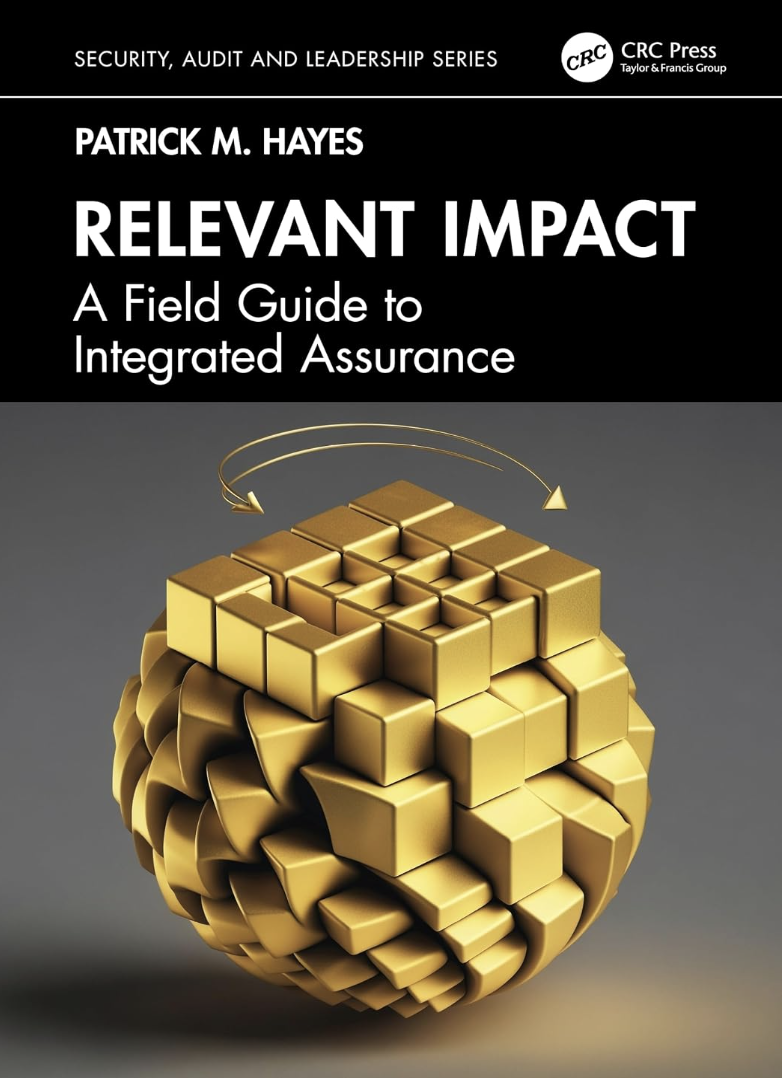 Relevant Impact
A Field Guide to Integrated Assurance
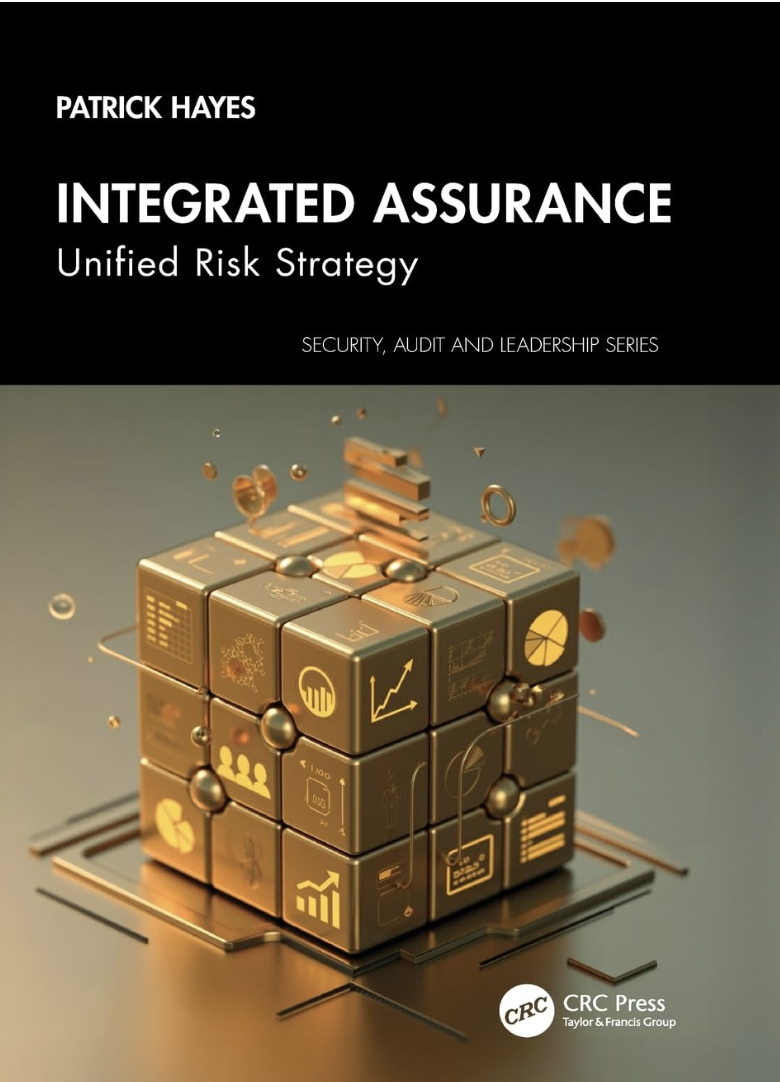 Integrated Assurance
Unified Risk Strategy
Related thinking
- The Vendor You Trust Could Become Your Biggest Business Risk
July 3, 2026 · 3 min read
- Beyond Compliance & Toward Defensible Trust
September 23, 2025 · 4 min read
- AI as a Trust and Assurance Challenge
October 28, 2025 · 7 min read
Continue through the ideas
Business Survivability
Whether a business can keep operating when critical assumptions, systems, people or dependencies fail.
Integrated Assurance
An operating model that lets leadership see risk across boundaries instead of one function at a time.
Decision Debt
The accumulated cost of reasonable decisions that were never revisited, and of choices now made elsewhere.
AI and Organizational Risk
How AI moves decisions into places the organization cannot observe, explain or govern.